Buy renthhh.com ?
We are moving the project
renthhh.com .
Are you interested in purchasing the domain
renthhh.com ?
domain@kv-gmbh.de · 0541-91531010
Buy renthhh.com ?
How do the abiotic environmental factors temperature, light, and water affect the ocean?
Temperature, light, and water are critical abiotic environmental factors that affect the ocean in various ways. Temperature influences the distribution and behavior of marine organisms, as well as the ocean's circulation patterns. Light availability affects photosynthesis and primary production, which in turn impacts the entire marine food web. Water availability, in the form of salinity and nutrient content, influences the density and composition of marine life. Overall, these abiotic factors play a crucial role in shaping the physical and biological characteristics of the ocean ecosystem. **
What are abiotic factors in ecology?
Abiotic factors in ecology are non-living components of an ecosystem that can influence the living organisms within it. These factors include physical and chemical elements such as temperature, sunlight, water, soil, air, and nutrients. Abiotic factors play a crucial role in shaping the environment and determining the types of organisms that can survive in a particular ecosystem. They can also affect the distribution, behavior, and abundance of species within an ecosystem. **

Similar search terms for Abiotic Water
Top-Angebote
Products related to Abiotic Water:
-
Uplift Treasures USB Water Pump Replacement For Cat Water Fountain USB Water Pump Replacement For Cat Water FountainProduct Description: Restore your pet fountains performance with this USB Water Pump Replacement featuring builtin LED lighting for easy monitoring and ultraquiet operation. Designed for cat flower drinking fountains and pet water dispensers, this...46,97 $*Shipping: 0,00 $Secure redirect to the provider
-
PetsAreLife Dog Water Fountain Dog Water FountainDo you find it challenging to teach your dog to drink on his own, so you don't have to assist him when he's thirsty If yes, then get your hands on this dog water fountain. This fun tool is perfect for dispensing as much water as your fourlegged...119,97 $*Shipping: 0,00 $Secure redirect to the provider
-
Uplifted Finds Smart Wireless Pet Water Dispenser Rechargeable Automatic Water Feeder Smart Wireless Pet Water Dispenser Rechargeable Automatic Water FeederKeep your pets hydrated with ease using this smart wireless pet water dispenser designed for cats and dogs. Featuring a modern automatic dispensing system this feeder provides a continuous flow of fresh water while helping reduce spills and mess....240,97 $*Shipping: 0,00 $Secure redirect to the provider
-
Inspired Living Smart Sensor Cat Water Fountain And Pet Water Dispenser only Water FeederFresh, flowing water can make hydration feel natural again for your pet. This automatic pet water dispenser uses a faucetstyle stream and sensor design to encourage cats and small dogs to drink more often. Made with transparent foodgrade plastic, it...78,97 $*Shipping: 0,00 $Secure redirect to the provider




-
What are abiotic factors in the Antarctic?
Abiotic factors in the Antarctic include extreme cold temperatures, strong winds, low precipitation, and high levels of ultraviolet radiation due to the hole in the ozone layer. The frozen landscape is also a significant abiotic factor, as the ice and snow cover much of the continent. These abiotic factors create a harsh environment that shapes the unique ecosystems and limits the types of organisms that can survive in the Antarctic. **
-
What are abiotic and biotic factors for humans?
Abiotic factors for humans include non-living elements such as air quality, temperature, and sunlight exposure. These factors can directly impact human health and well-being. Biotic factors for humans involve living organisms that interact with humans, such as pathogens, parasites, and symbiotic organisms like gut bacteria. These factors can also have significant effects on human health and disease. **
-
What are application tasks related to abiotic factors?
Application tasks related to abiotic factors involve studying the impact of non-living elements such as temperature, water availability, soil composition, and sunlight on various ecosystems. Researchers may investigate how changes in these abiotic factors affect plant growth, animal behavior, and overall ecosystem health. Understanding these relationships is crucial for predicting and managing the effects of climate change, land use changes, and other environmental disturbances on ecosystems. By studying abiotic factors, scientists can develop strategies to conserve biodiversity, restore degraded habitats, and promote sustainable resource management. **
-
Do tides belong to the abiotic environmental factors?
Yes, tides belong to the abiotic environmental factors. Abiotic factors are non-living components of an ecosystem, and tides are the result of the gravitational pull of the moon and the sun on the Earth's oceans. Tides play a significant role in shaping coastal ecosystems and influencing the distribution of marine organisms. Therefore, they are considered an important abiotic factor in marine environments. **

What do abiotic and biotic environmental factors mean?
Abiotic environmental factors refer to non-living components of an ecosystem, such as temperature, sunlight, water, and soil. These factors can have a significant impact on the survival and distribution of living organisms within an ecosystem. Biotic environmental factors, on the other hand, refer to the living components of an ecosystem, including plants, animals, and microorganisms. These factors can also influence the dynamics of an ecosystem through interactions such as predation, competition, and symbiosis. Both abiotic and biotic factors play crucial roles in shaping the structure and function of ecosystems. **
What are abiotic and biotic factors in biology?
Abiotic factors in biology are non-living components of an ecosystem, such as temperature, sunlight, water, and soil. These factors can have a significant impact on the organisms living in the ecosystem. Biotic factors, on the other hand, are living components of an ecosystem, including plants, animals, fungi, and microorganisms. These factors interact with each other and with the abiotic factors to create a complex and dynamic environment. Both abiotic and biotic factors play crucial roles in shaping the structure and function of ecosystems. **
Top-Angebote
Products related to Abiotic Water:
-
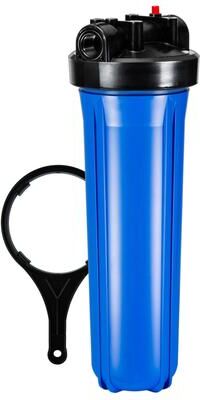
iSpring HB28B 20-Inch Water Filter Housing"Pressure release button 1 inch inlet/outlet Package includes wrench to open and tighten the housings Fit standard size filtration replacement cartridges: 4.5""X20"" Maximum temperature: 100DegreeF (37.8DegreeC) maximum pressure: 90 psi (6.2 bar)..."78,99 $*Shipping: 0,00 $Secure redirect to the provider
-
"iSpring HB18B 10"" x 4.5"" Water Filter Housing""Pressure Release Button 1"" inlet/outlet Package includes wrench to open and tighten the housings Fit standard size filtration replacement cartridges: 4.5""x10"" Maximum Temperature: 100DegreeF (37.8DegreeC) Maximum Pressure: 90 psi (6.2 bar)..."56,49 $*Shipping: 0,00 $Secure redirect to the provider
-
Uplift Treasures USB Water Pump Replacement For Cat Water Fountain USB Water Pump Replacement For Cat Water FountainProduct Description: Restore your pet fountains performance with this USB Water Pump Replacement featuring builtin LED lighting for easy monitoring and ultraquiet operation. Designed for cat flower drinking fountains and pet water dispensers, this...46,97 $*Shipping: 0,00 $Secure redirect to the provider
-
PetsAreLife Dog Water Fountain Dog Water FountainDo you find it challenging to teach your dog to drink on his own, so you don't have to assist him when he's thirsty If yes, then get your hands on this dog water fountain. This fun tool is perfect for dispensing as much water as your fourlegged...119,97 $*Shipping: 0,00 $Secure redirect to the provider
-
How do the abiotic environmental factors temperature, light, and water affect the ocean?
Temperature, light, and water are critical abiotic environmental factors that affect the ocean in various ways. Temperature influences the distribution and behavior of marine organisms, as well as the ocean's circulation patterns. Light availability affects photosynthesis and primary production, which in turn impacts the entire marine food web. Water availability, in the form of salinity and nutrient content, influences the density and composition of marine life. Overall, these abiotic factors play a crucial role in shaping the physical and biological characteristics of the ocean ecosystem. **
-
What are abiotic factors in ecology?
Abiotic factors in ecology are non-living components of an ecosystem that can influence the living organisms within it. These factors include physical and chemical elements such as temperature, sunlight, water, soil, air, and nutrients. Abiotic factors play a crucial role in shaping the environment and determining the types of organisms that can survive in a particular ecosystem. They can also affect the distribution, behavior, and abundance of species within an ecosystem. **
-
What are abiotic factors in the Antarctic?
Abiotic factors in the Antarctic include extreme cold temperatures, strong winds, low precipitation, and high levels of ultraviolet radiation due to the hole in the ozone layer. The frozen landscape is also a significant abiotic factor, as the ice and snow cover much of the continent. These abiotic factors create a harsh environment that shapes the unique ecosystems and limits the types of organisms that can survive in the Antarctic. **
-
What are abiotic and biotic factors for humans?
Abiotic factors for humans include non-living elements such as air quality, temperature, and sunlight exposure. These factors can directly impact human health and well-being. Biotic factors for humans involve living organisms that interact with humans, such as pathogens, parasites, and symbiotic organisms like gut bacteria. These factors can also have significant effects on human health and disease. **
Similar search terms for Abiotic Water
-
Uplifted Finds Smart Wireless Pet Water Dispenser Rechargeable Automatic Water Feeder Smart Wireless Pet Water Dispenser Rechargeable Automatic Water FeederKeep your pets hydrated with ease using this smart wireless pet water dispenser designed for cats and dogs. Featuring a modern automatic dispensing system this feeder provides a continuous flow of fresh water while helping reduce spills and mess....240,97 $*Shipping: 0,00 $Secure redirect to the provider
-
Inspired Living Smart Sensor Cat Water Fountain And Pet Water Dispenser only Water FeederFresh, flowing water can make hydration feel natural again for your pet. This automatic pet water dispenser uses a faucetstyle stream and sensor design to encourage cats and small dogs to drink more often. Made with transparent foodgrade plastic, it...78,97 $*Shipping: 0,00 $Secure redirect to the provider
-
Inspire Daily Merch Fish Tank Water Changer Manual Sand Washer Water Absorber Water Pump Siphon Pipe Aquarium Cleaner Fish Tank Water Changer Manual Sand Washer Water Absorber Water Pump Siphon Pipe Aquarium CleanerEfficient Aquarium Cleaning with the New Fish Tank Water Changer Transform your aquarium maintenance with the New Fish Tank Water Changer. Designed to make cleaning your fish tank effortless, this sand washer and water pump system ensures a...27,97 $*Shipping: 0,00 $Secure redirect to the provider
-
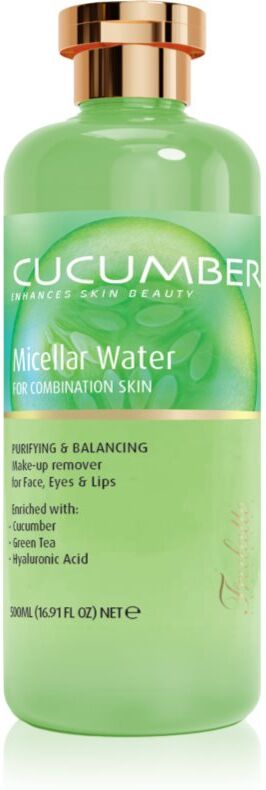
Arganicare Cucumber Micellar Water micellar water 500 mlArganicare Cucumber Micellar Water, 500 ml, Micellar Waters for Women, The ArganicareCucumberMicellar Water micellar water is enriched with tiny active particles that bind to any impurities and sebum on contact with the skin. Thanks to these particles, called micelles, this water ensures thorough foundation removal in a few minutes and without the need for pressure or friction on the skin. The micelles are so effective that they can handle even the most stubborn waterproof foundation. Characteristics: cleans pores deeply prevents excessive drying of the skin refreshing and soothing effects keeps skin balanced reduces redness Ingredients: panthenol – has a hydrating and soothing effect, relieves irritation, redness, dryness and discomfort cucumber extract – hydrates, softens, refreshes and soothes, provides a cooling effect, helps reduce redness, swelling and discomfort associated with irritation How to use: Apply enough of the product to a cotton wool pad and wipe gently to remove makeup and clean the skin.5,00 £*Shipping: 3,99 £Secure redirect to the provider
-
What are application tasks related to abiotic factors?
Application tasks related to abiotic factors involve studying the impact of non-living elements such as temperature, water availability, soil composition, and sunlight on various ecosystems. Researchers may investigate how changes in these abiotic factors affect plant growth, animal behavior, and overall ecosystem health. Understanding these relationships is crucial for predicting and managing the effects of climate change, land use changes, and other environmental disturbances on ecosystems. By studying abiotic factors, scientists can develop strategies to conserve biodiversity, restore degraded habitats, and promote sustainable resource management. **
-
Do tides belong to the abiotic environmental factors?
Yes, tides belong to the abiotic environmental factors. Abiotic factors are non-living components of an ecosystem, and tides are the result of the gravitational pull of the moon and the sun on the Earth's oceans. Tides play a significant role in shaping coastal ecosystems and influencing the distribution of marine organisms. Therefore, they are considered an important abiotic factor in marine environments. **
-
What do abiotic and biotic environmental factors mean?
Abiotic environmental factors refer to non-living components of an ecosystem, such as temperature, sunlight, water, and soil. These factors can have a significant impact on the survival and distribution of living organisms within an ecosystem. Biotic environmental factors, on the other hand, refer to the living components of an ecosystem, including plants, animals, and microorganisms. These factors can also influence the dynamics of an ecosystem through interactions such as predation, competition, and symbiosis. Both abiotic and biotic factors play crucial roles in shaping the structure and function of ecosystems. **
-
What are abiotic and biotic factors in biology?
Abiotic factors in biology are non-living components of an ecosystem, such as temperature, sunlight, water, and soil. These factors can have a significant impact on the organisms living in the ecosystem. Biotic factors, on the other hand, are living components of an ecosystem, including plants, animals, fungi, and microorganisms. These factors interact with each other and with the abiotic factors to create a complex and dynamic environment. Both abiotic and biotic factors play crucial roles in shaping the structure and function of ecosystems. **
* All prices are inclusive of VAT and, if applicable, plus shipping costs. The offer information is based on the details provided by the respective shop and is updated through automated processes. Real-time updates do not occur, so deviations can occur in individual cases. ** Note: Parts of this content were created by AI.